

Bournemouth’s roofs face a particular set of demands. Coastal winds, salt-laden air, and heavy seasonal rain place real strain on any covering, and the materials that hold up well here aren’t always the same ones that suit an inland property with milder conditions. Understanding what actually performs in this environment helps property owners make a decision that lasts, rather than one based on whatever a contractor happens to have in stock.
This guide runs through the roofing materials most commonly specified across Bournemouth today, from modern single-ply systems to traditional felt and pitched tile options, along with why each one earns its place. The Flat Roofing Company has installed all of these systems across the town and the wider Dorset coastline, and this breakdown reflects what genuinely holds up against local conditions rather than general manufacturer claims.
Why Bournemouth’s Climate Shapes Material Choice
Properties along Bournemouth’s coastline and cliff tops face direct salt exposure, which accelerates corrosion on unprotected metal fixings and speeds up the breakdown of certain membrane types over time. Strong prevailing winds off the Channel also put uplift pressure on roof edges and upstands, meaning secure detailing matters just as much as the main roofing material itself.
Further inland, around areas such as Kinson or Redhill, conditions are somewhat more sheltered, though heavy rainfall throughout the year still demands a genuinely watertight system rather than one that merely copes in dry weather. The Flat Roofing Company specifies materials based on this local variation rather than a single blanket recommendation across every job.
Single-Ply Membrane: The Modern Standard
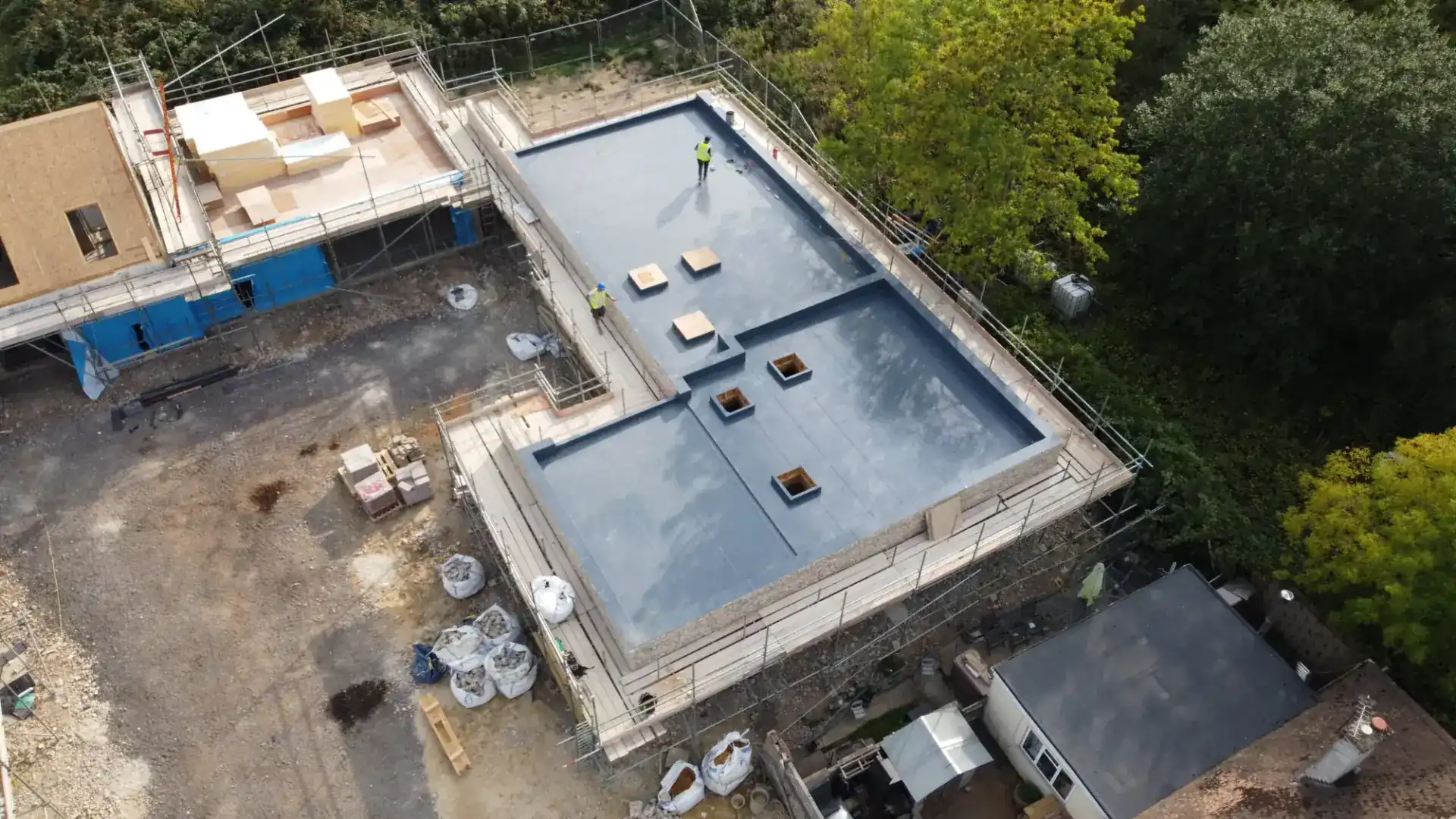
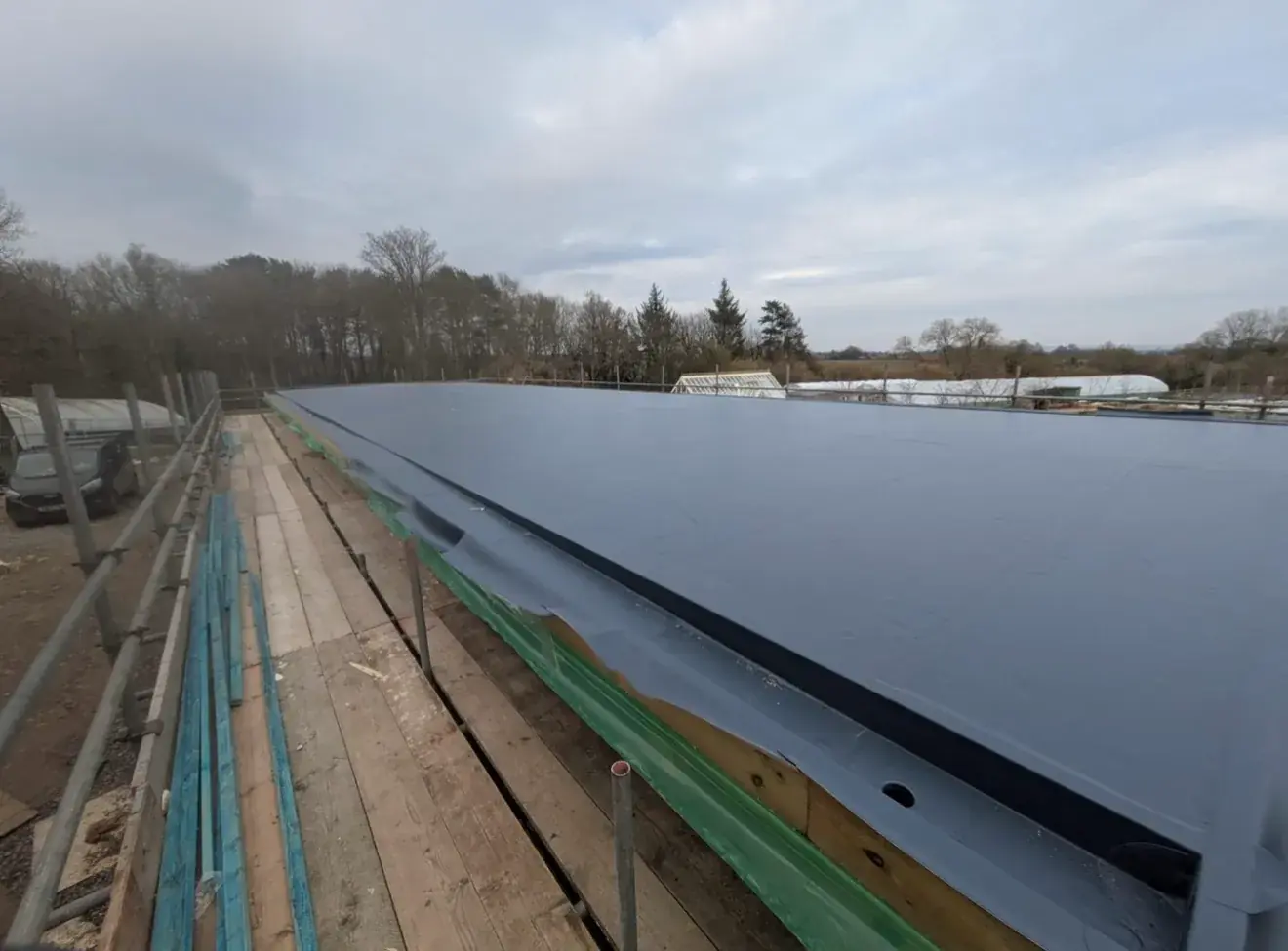
Single-ply membrane has become the most widely specified material for flat roofs across Bournemouth, and for good reason. Large synthetic sheets, typically PVC or TPO based, are welded together on-site to form a continuous, seamless covering that resists cracking and shrinkage far better than older bitumen products.
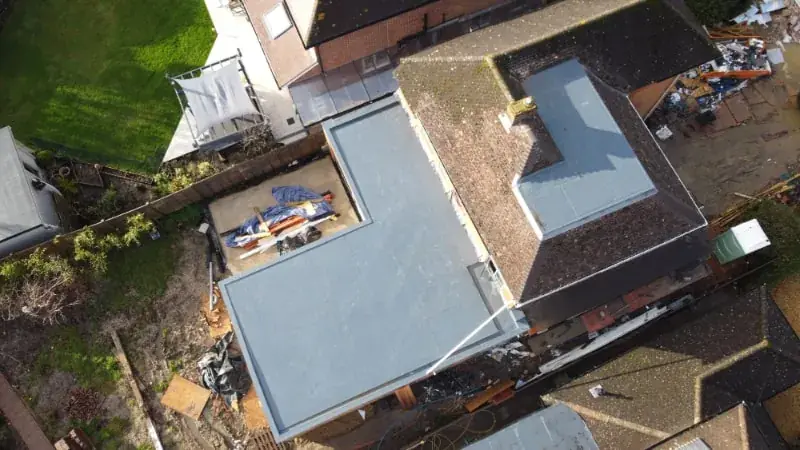
The Flat Roofing Company fits single-ply membrane systems, including Alwitra Evalon and IKO Armourplan, on domestic extensions, new builds, and commercial properties throughout the area. These systems expand and contract naturally with temperature changes rather than becoming brittle, which matters considerably given the temperature swings a coastal property can experience between summer heat and winter storms.
The Alwitra range in particular has grown in popularity locally, offering a self-adhered installation method that avoids naked flame work and typically carries a 20-year manufacturer guarantee when fitted by a trained installer. Alwitra Evalon membranes are especially favoured for their flexibility around complex roof shapes, skylights, and parapet detailing, all common features on Bournemouth’s mix of older conversions and newer builds.
Felt Roofing: Still Common on Older Properties
Despite the rise of single-ply systems, felt roofing remains widespread across Bournemouth, particularly on garages, older extensions, and properties built before single-ply became mainstream. Modern high-performance felt, built up in multiple bonded layers with a mineral cap sheet, still offers a genuinely practical option for smaller budgets or refurbishment projects.
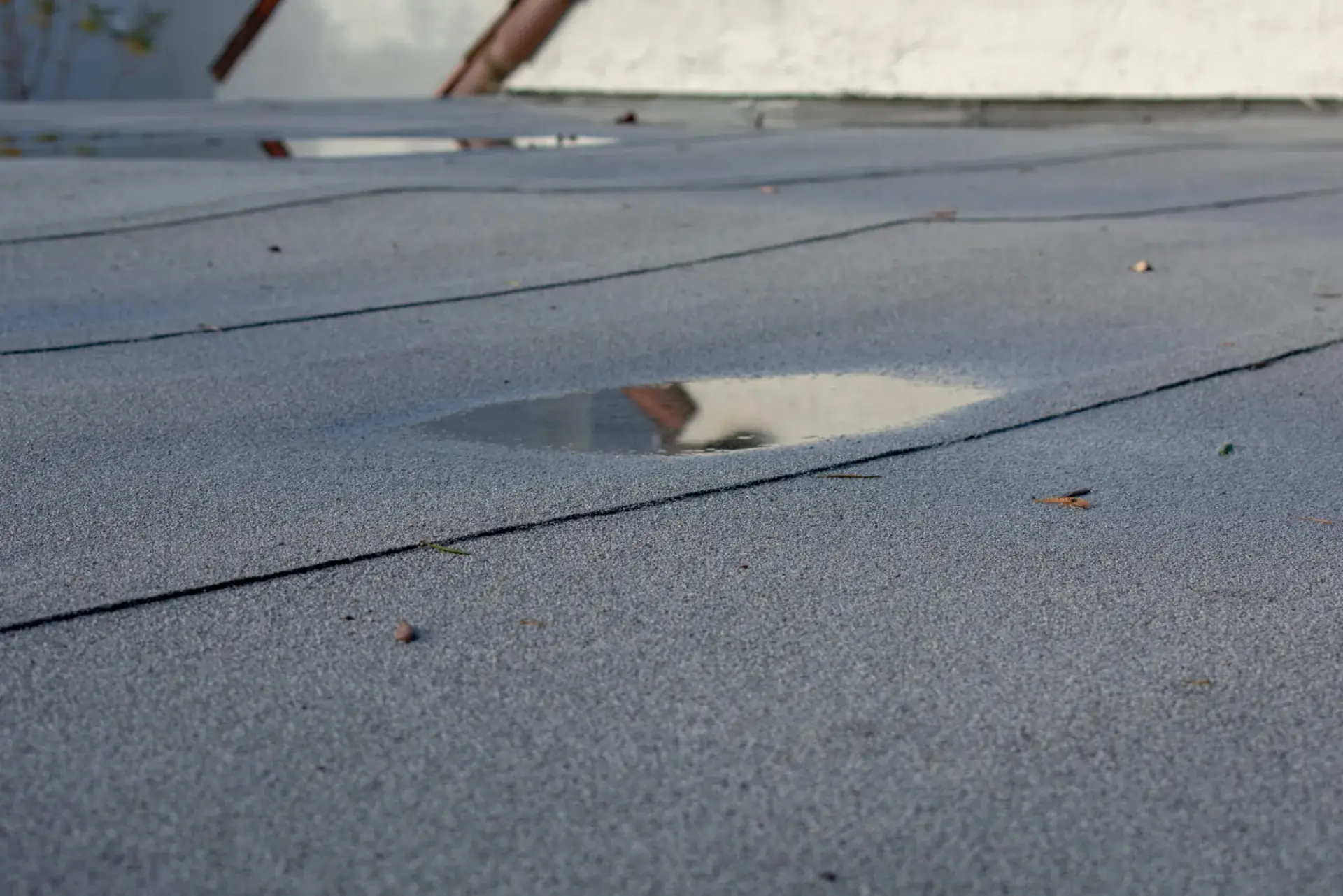
Felt does have a shorter typical lifespan than single-ply, generally in the 10 to 20 year range, and older felt roofs across the town are increasingly showing signs of blistering, shrinkage, and cracking as the bitumen ages and loses flexibility. This is one of the more common reasons property owners across Bournemouth end up replacing felt with single-ply membrane during a refurbishment, since the newer material handles the coastal climate with considerably less ongoing maintenance.
GRP Fibreglass: A Seamless Option for Smaller Roofs
GRP, or Glass Reinforced Plastic, remains popular for smaller and more detailed roof areas across Bournemouth, including dormers, balconies, and roof lanterns. Because it’s laid and rolled on-site as a liquid resin that cures into a rigid, fully bonded surface, GRP produces a genuinely seamless finish with no joints for water to find its way through.
GRP performs particularly well on awkward shapes and small upstands where membrane sheets would need extra jointing, though it depends heavily on dry, settled weather during installation, since the resin needs correct conditions to cure properly. For this reason, it tends to suit specific smaller sections of a roof rather than large, uninterrupted commercial areas.
Liquid Waterproofing: For Awkward and Detailed Areas
Liquid waterproofing systems have grown in use across Bournemouth for balconies, walkways, and roof areas with particularly complex detailing around pipes, outlets, or changes in level. Applied as a liquid coating that cures into a seamless, flexible membrane, this system conforms tightly to irregular shapes without the need for cut sheets or welded joints.
It’s a useful option for repair work too, allowing a contractor to reinforce a specific problem area without stripping an entire roof back to the deck, which can make it a cost-effective solution for targeted maintenance on an otherwise sound roof.
Green Roofs: A Growing Trend
Interest in green roofs has increased across Bournemouth in recent years, driven partly by sustainability goals and partly by the genuine practical benefits a planted roof surface provides. A green roof sits on top of a waterproof membrane, typically single-ply, and adds a layer of vegetation that helps manage rainwater run-off, improves insulation, and supports local biodiversity.
These systems are particularly suited to new build extensions and flat-roofed outbuildings, where the additional weight can be planned for from the outset. Retrofitting a green roof onto an existing structure is possible too, provided a proper structural assessment confirms the roof can support the added load.
Pitched Roofing Materials: Tiles and Slate
While flat roofing dominates extensions, garages, and many commercial buildings, pitched roofing remains common across Bournemouth’s residential streets, particularly on original Victorian and Edwardian properties near the town centre and along the clifftop. Natural slate and concrete tiles are the two most widely used materials, chosen largely for their durability against coastal weather and their consistency with the area’s established architectural character.
Many properties across Bournemouth combine both roof types, with a pitched main roof over the original structure and a flat roof extension or dormer added later. This combination means a single contractor comfortable working across both systems, rather than switching between separate specialists, tends to simplify a project considerably. The Flat Roofing Company handles both pitched and flat roofing work for exactly this reason.
Choosing the Right Material for Your Property
The right material for any given roof depends on several factors specific to the building itself. Roof size and shape matter significantly: a large, regular commercial roof area generally suits single-ply membrane, while smaller, more detailed sections benefit from the seamless finish GRP or liquid waterproofing can provide.
Budget also plays a role. Felt remains a genuinely lower-cost entry point for smaller projects, though it’s worth weighing that saving against a shorter replacement cycle compared with single-ply. Building type matters too, since domestic extensions, garages, and dormers have different structural and aesthetic requirements to a large commercial site covering a school or retail unit.
Existing roof condition should also factor into the decision. Where a roof already carries a sound single-ply membrane, targeted repairs or a green roof addition might be realistic, whereas an ageing felt roof showing widespread cracking is usually better served by a full replacement rather than a patch repair.
Getting Expert Advice Before You Commit
Detailing around the roof edge matters just as much as the main covering material, regardless of which system is specified. Properly fitted gutters, fascias, and soffits keep water moving away from the building rather than pooling near vulnerable joints, and well-positioned skylights can bring natural light into a converted loft or extension without compromising the roof’s waterproofing.
Since the right material depends so heavily on the specifics of each roof, a proper survey should always come before a decision rather than after. Once a system is installed, a planned cleaning and maintenance package extends its working life considerably, since debris build-up and blocked outlets accelerate wear regardless of which material was chosen.
Final Thoughts
Bournemouth’s coastal conditions have shaped which roofing materials have become genuinely popular across the town. Single-ply membrane leads the way for most flat roofs today, particularly systems like Alwitra Evalon, thanks to its resistance to cracking and long service life. Felt still has a place on smaller budgets and older properties, GRP and liquid waterproofing suit smaller and more detailed areas, and slate or tile remain the standard for pitched roofs on the town’s period properties.
If you’re planning a roofing project in Bournemouth and want a recommendation based on your specific building, get in touch with The Flat Roofing Company for a full roof survey.